15 reasons to save Voice of America
VOA is a vital American asset that helps to support U.S. foreign policy objectives, including countering the propaganda of U.S. adversaries and kindling the democratic aspirations of hundreds of millions of people throughout the world.
Published
Foreign influence
1. VOA counters China’s growing influence
China spends billions of dollars annually to manipulate how it is portrayed around the world, with much of that messaging aimed at undermining the United States. VOA gives people a trusted alternative, explaining U.S. policies as well as all aspects of American society.
“If VOA is no longer part of our mission around the world, the Chinese win the 21st century. It’s just that simple.”

Michael McFaul
Former U.S. ambassador to Russia
2. VOA combats the bad information coming out of Russia
Russia has spent decades growing its government-controlled media empire, with plans to spend a record $1.8 billion in 2026. Much of the news that Moscow beams around the world is propaganda that harms the United States.
“If we dismantle Voice of America … we’re essentially taking a microphone that the United States has been holding for many, many years … and we're handing off that microphone to Vladimir Putin and to Xi Jinping. I don't think Americans want that.”

Laura Cooper
Former Pentagon official
3. VOA challenges state-run propaganda throughout the world
Much of VOA’s audiences live in countries where there is state-run propaganda, and they seek out VOA for its objective, fact-based reporting. Authoritarian governments are becoming increasingly sophisticated in their efforts to broadcast lies and disinformation, making VOA more important than ever.
Annual spending on global media
U.S. adversaries are outspending America in the global information war.
China: Estimated annual spending on foreign propaganda (Source: Foundation for Defense of Democracies)
Russia: Projected 2026 spending on overt state media propaganda (Source: The Moscow Times)
Iran: Estimated propaganda spending March 2024–March 2025 (Source: Iran International)
USA: The U.S. Agency for Global Media’s 2026 budget includes funding for VOA, Radio Free Europe / Radio Liberty, Radio Free Asia, Middle East Broadcasting Networks and the Office of Cuba Broadcasting.
Cost and impact
4. VOA amassed huge audiences …
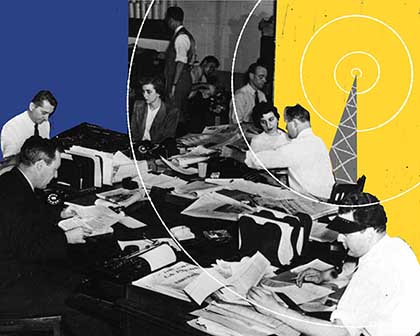
Since its first broadcast in 1942, VOA painstakingly built up a weekly audience of more than 360 million people. Throwing this audience away not only wastes the efforts and resources it took for the United States to grow this following, but it also squanders the many benefits that VOA brings to America.
5. … In a cost-effective way
Broadcasting America’s voice and viewpoints to the world costs the average U.S. taxpayer roughly $2.25 a year. U.S.-funded media is a far cheaper way to promote U.S. values than almost any other method the U.S. government could use, including diplomatic efforts or military involvement.
“On the cost per dollar of what VOA actually does, it is one of the most effective mechanisms of transmitting the American voice throughout the world. It is easily one of the most cost-effective national security investments that the American taxpayer can make.”

Ret. Capt. Jason Church
U.S. Army, Purple Heart recipient
Cost to run VOA
- $1Cost per audience member to broadcast VOA around the world
- 0.0001%Percentage of annual U.S. government discretionary spending that goes to VOA and USAGM support operations
- $260 million — VOA’s annual budget in 2025 (plus approximately $100 million in support services provided by USAGM)
- $199.5 million — VOA’s annual budget in 2026 (plus approximately $70 million in support services provided by USAGM)
U.S. SECURITY AND FOREIGN POLICY
6. VOA makes America safer
VOA improves U.S. security in a number of ways, including by generating overseas support for U.S. policies and initiatives, countering extremist views, and refuting the propaganda of U.S. adversaries who seek to harm America.
“The Voice of America is a critical instrument of U.S. national security policy.”

Ret. Gen. Joseph Votel
Former commander, U.S. Central Command
7. VOA is a vital tool of American soft power
VOA has long been a part of America's arsenal of soft power, which is the ability to influence countries through persuasion and attraction rather than coercion. VOA helps to advance U.S. goals without the use of hard power, like military force. Its ability to positively shape its audience's views about America leads to international support for U.S. initiatives and policies.
“The big advantage in my mind of VOA, and other soft power tools, is that they come at far lower cost and far lower risk than coercive hard power tools, such as military force.”

Roderick Moore
Former U.S. ambassador to Montenegro
8. VOA advances U.S. diplomacy
VOA advances diplomatic goals by building understanding between the United States and peoples around the world. It presents the news in an objective way, but through an American lens, which gives its audience a unique insight into the values and beliefs of both U.S. officials and ordinary Americans.
Former U.S. military officials and diplomats support VOA in court brief
Fifty-four former U.S. officials, including 25 former senior military officials, signed an amicus brief in July 2025 stating that “VOA has played a crucial role in helping to achieve some of our nation’s most important foreign policy goals.”
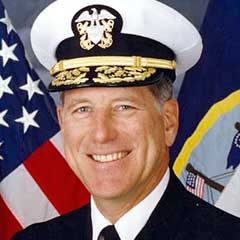
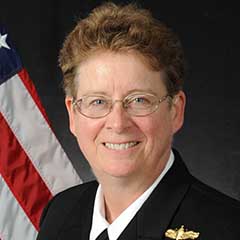
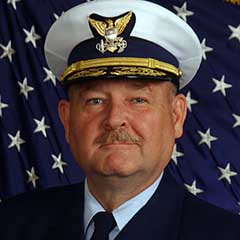
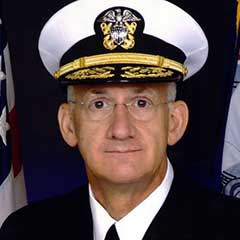
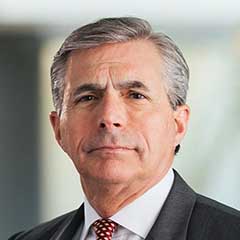

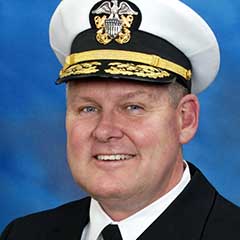
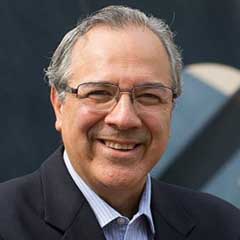
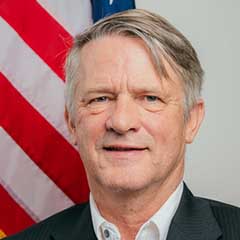

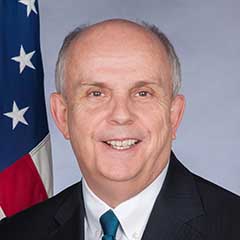
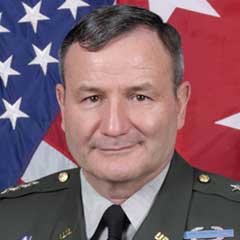
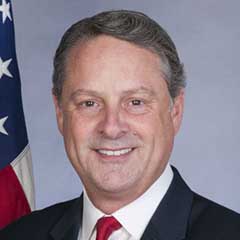

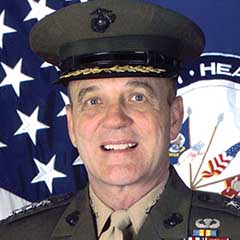
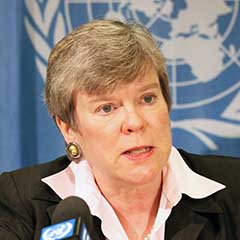

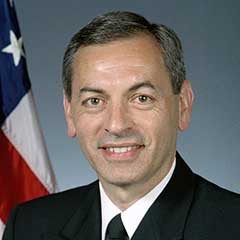
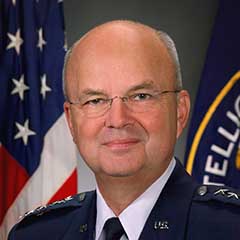
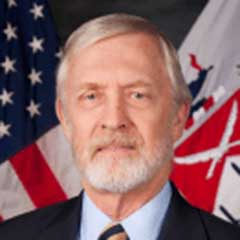
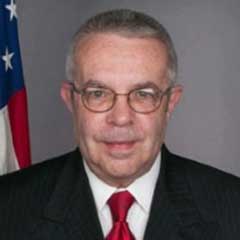
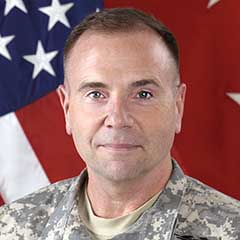
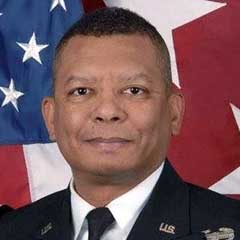
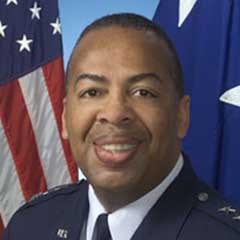
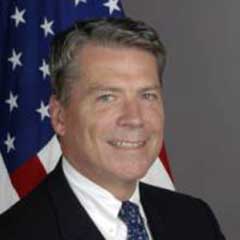

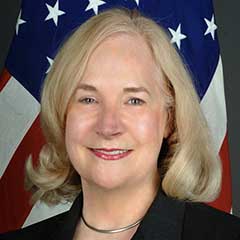
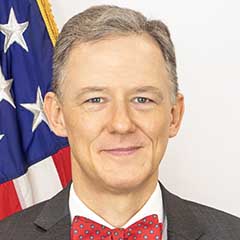

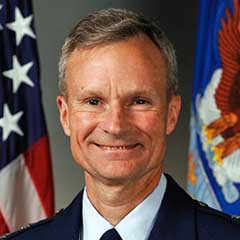
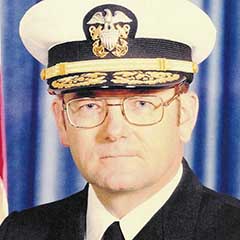
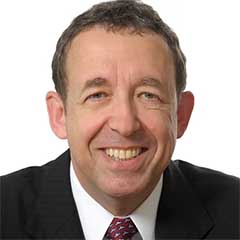
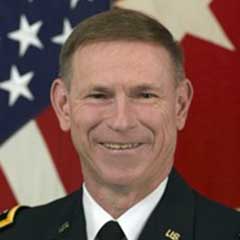
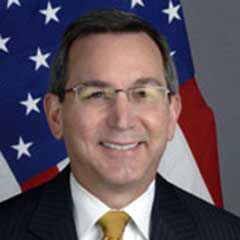
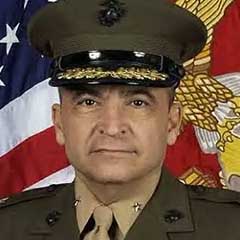
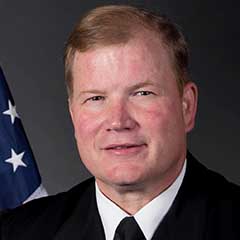
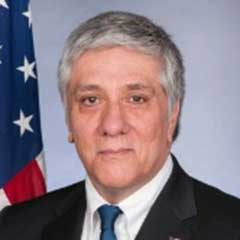

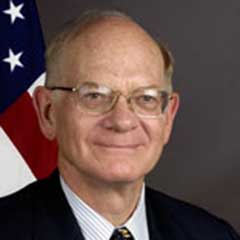
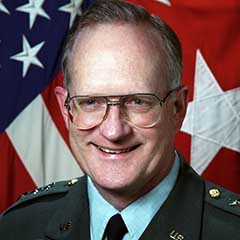



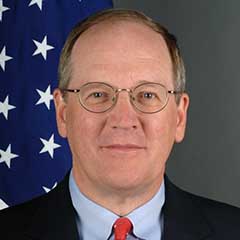
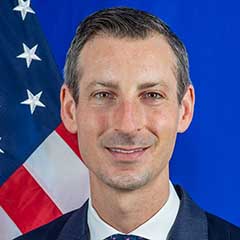
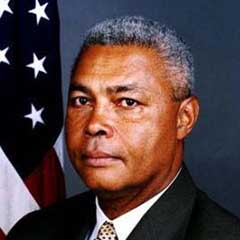
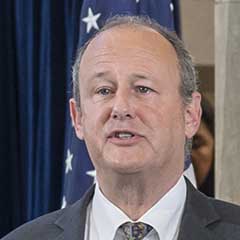



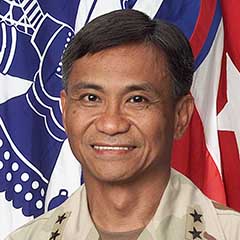
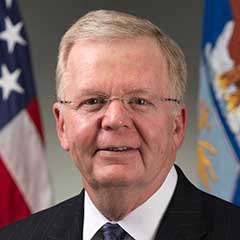
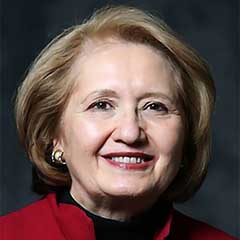

Click on the outlined experts to see a video of them speaking about the value of VOA. More than 125 other U.S. military leaders, ambassadors, experts and journalists have also given video testimonials in support of VOA’s mission. | Explore all the videos.

Journalism not propaganda
9. VOA models a free press to the world
VOA not only provides independent news to countries where there are few such options, but it also shows people who live in highly censored countries that an unfiltered view of the world is both possible and empowering. It demonstrates how free expression fuels a more open society.
“Generations of Chinese citizens risked their lives to listen to VOA just to access truthful information. … VOA’s programming not only challenged my outdated knowledge, but also subtly reshaped my worldview, outlook on life, and core values.”

Gao Yu
Independent journalist in China
10. VOA tells a uniquely American story
A crucial part of VOA’s mission is explaining all aspects of America — including its policies, history, people and ideals — to its global audience. VOA has also taught millions of people English through its "Learning English" programs. It tells important stories about the U.S. in parts of the world where governments are actively blocking good news about America.
“I spend probably half of my professional time in Central and in Eastern Europe. I am always encountering people who when I ask them, ‘Where do you get your information? What do you know about America? How’d you learn English?’ … they always talk about Voice of America.”

Ret. Lt. Gen. Ben Hodges
Former commander, U.S. Army Europe
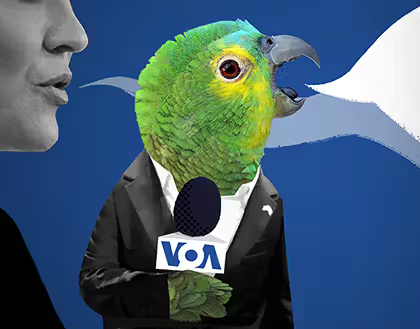
11. VOA is effective because it produces journalism, not propaganda
VOA is mandated by law to serve as “a consistently reliable and authoritative source of news,” presenting both U.S. policies and discussions about them. Its balanced, fact-based reporting is the reason it gained its large audience, a following it would lose if it turned to broadcasting propaganda.
“There can be negative news … that is what citizens in other countries, especially repressive regimes, want. I mean, in their countries they are told ‘everything's fantastic’ … And they're not going to believe it. So, we need to be objective and professional.”

Jill Dougherty
Former CNN Moscow bureau chief
VOA consistently rated as balanced
Before March 2025, media monitors that assess news organizations for bias regularly placed VOA’s English-language news coverage close to dead center.



According to Media Bias / Fact Check
“Overall, we rate Voice of America Least Biased based on balanced story selection and minimal use of loaded words. We also rate them High for factual reporting due to proper sourcing and a clean fact-check record.”
Democracy and governance
12. VOA promotes democracy around the world
Free media is an essential component of democratic societies. VOA has espoused democratic values from its inception, both by showcasing how a free press operates and by providing a window into what a democratic society looks like.
“[VOA] helps people understand what the United States is all about and why our democracy — our form of democracy — is important.”

Christine Todd Whitman
Former Republican governor of New Jersey
13. VOA weakens the grip of authoritarian rule
Authoritarian governments around the world have long tried to silence VOA, understanding that factual reporting threatens their grip on power. VOA undermines the lies of these governments and gives people hope that a freer society is possible.
Authoritarian governments cheer U.S. efforts to shutter VOA
Government officials and state-backed media in places like China, Russia, Myanmar, Azerbaijan and Cambodia were gleeful when U.S. President Donald Trump signed an executive order on March 14, 2025 to begin dismantling Voice of America.
Russian state media praises Trump move to close VOA

“Today is a holiday for me and my colleagues at RT and Sputnik. … This is an awesome decision by Trump!” said Margarita Simonyan, editor-in-chief of the Kremlin-backed RT network and the Rossiya Segodnya news agency. “We couldn’t shut them down, unfortunately, but America did so itself,” she said during a Russian state TV broadcast in March 2025.
Since its full-scale invasion of Ukraine in February 2022, Russia has effectively stamped out all independent media inside the country. VOA was one of the few outlets that was able to routinely pierce the Kremlin’s “digital Iron Curtain.” | Read a profile of VOA’s Russian Service.
Myanmar junta leader thanks Trump for silencing U.S.-funded media

In a July 2025 letter to Trump, Min Aung Hlaing wrote, “I sincerely appreciate Your Excellency’s efforts aimed at promoting global peace, in regulating broadcasting agencies and funds, which have sometimes exacerbated the existing conflicts.”
Since coming to power in 2021, Myanmar’s military junta has wiped out a decade of press freedom gains in the country. It has revoked broadcast licenses, blocked internet access and has jailed dozens of journalists. | Read a profile of VOA’s Burmese Service.
Azerbaijan president says VOA dismantling good start
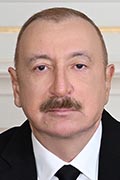
Ilham Aliyev said in April 2025, “What President Trump started to do is very promising … Radio Liberty and Voice of America — it is very good that they have already stopped. But it's not enough. Human Rights Watch, Freedom House, Amnesty International, Transparency International — all this infrastructure of his political enemies must be totally made dysfunctional.”
Human rights groups have accused the longtime leader of serious rights abuses in addition to suppressing dissent.
Former Cambodian prime minister hails US decision
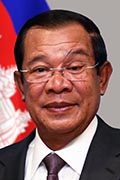
Hun Sen, who leads Cambodia’s ruling party, said in a March 2025 Facebook post that closing U.S.-funded “propaganda” would be “a major contribution to eliminating fake news, disinformation, lies, distortions, incitement, and chaos around the world.”
Hun Sen significantly curtailed free speech during his long rule, and Cambodian media outlets continue to face restrictions under the current government led by his son. | Read a profile of VOA’s Khmer Service.
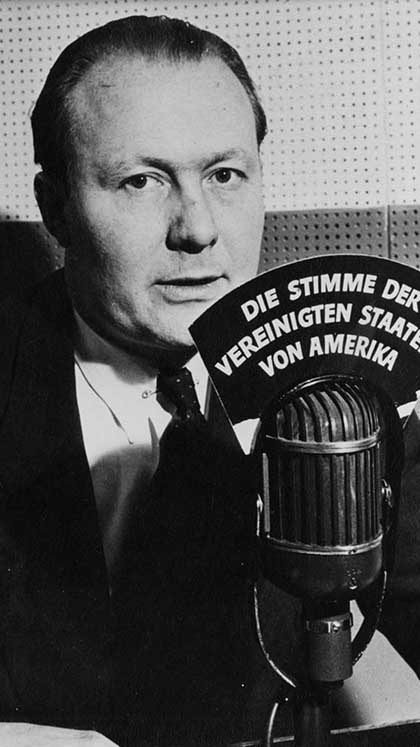
VOA gained credibility during WWII. From its first broadcasts in German reaching listeners behind Nazi lines, VOA promised to tell the truth. It reported on initial Allied setbacks, which built a reputation for honesty that later paid off when VOA was able to report on Allied victories.
Conflict
14. VOA delivers critical truth in times of conflict
Weapons alone do not decide the outcome of conflicts; reliable information is critical. Since 1942, VOA has documented the wars that have shaped our world and has played an important role in bringing news to people living through times of crisis.
“VOA serves as a trusted news source for countless individuals in Somalia and the HOA [Horn of Africa], where misinformation exacerbates conflict. Its reporting provides a critical counterbalance to unreliable narratives.“

Mohamed Abdirizak
Former Somali minister of Foreign Affairs
15. VOA can help to resolve conflicts, as seen by the Cold War
VOA’s fact-based reporting is widely credited with helping to end the Cold War, and it generated huge amounts of goodwill towards the U.S. from people across Eastern Europe. VOA continues to be crucially important in the region in the wake of Russian President Vladimir Putin’s consolidation of power.
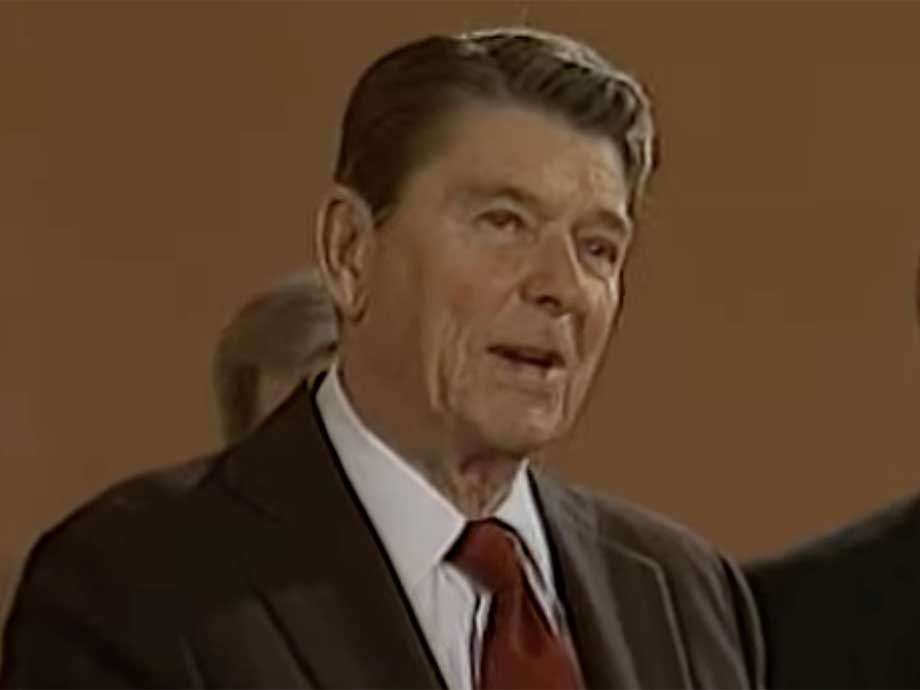
President Ronald Reagan speaks of the immense value of VOA during a bill signing with Morocco to modernize a VOA relay station in Tangier, March 1, 1984. (Ronald Reagan Presidential Library)
“I think a lot of people in this country or in the free world at large, they simply may not understand the value of Voice of America or Radio Liberty. Not me, I mean, I grew up in the Soviet Union with millions and millions of others, on the other side of [the] Iron Curtain.”
