 Cambodia
VOA served as a lifeline to Cambodians
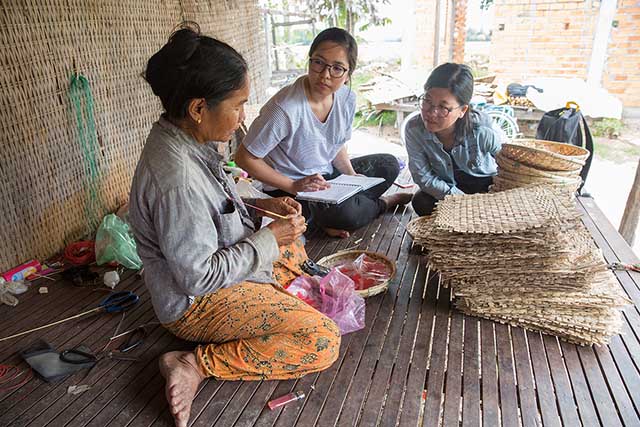
VOA’s Khmer Service plays a critical role in reporting on elections in Cambodia, including the 2018 poll in which the ruling party suppressed meaningful opposition.
Published
Through 65 years of reporting in Cambodia, including through three decades of war, Voice of America had become a trusted source of information in the country and one of the few ways Cambodians could get independent news, especially in Khmer, the country’s primary language.
VOA’s Khmer Service had built a weekly audience of 1.1 million people — 9.4% of Cambodian adults — and had top-viewed Facebook and X pages in the country. Khmer-speakers throughout the broader Southeast Asian region and the Cambodian diaspora worldwide relied on VOA for accurate, uncensored news and information.
Before President Donald Trump issued his March 14, 2025, executive order that effectively began dismantling VOA, the service was broadcasting 21.7 hours of audio and video reports each week. Now, it has gone dark. There are no more daily broadcasts and no new daily content on digital media.
Shuttering the service has damaged VOA’s role as a trusted, uncensored source of news in the region, and audiences have lost a credible source of information. The Khmer Service provided a unique combination of credibility, language-fluency and a network of trusted sources needed to explain complex issues, including national, regional and international developments. The service was also the only Khmer-language independent international broadcaster still reporting from inside Cambodia in 2025, operating a news bureau in Phnom Penh.
With VOA silenced, Cambodians face exposure to misinformation, conspiracy content and biased narratives. Consequently, false information has spread widely, distorting public understanding about, among other things, U.S. leadership and policy in Asia.
VOA Khmer articles published online per week
Publishing on VOA Khmer websites ceased following the president’s March 2025 executive order.
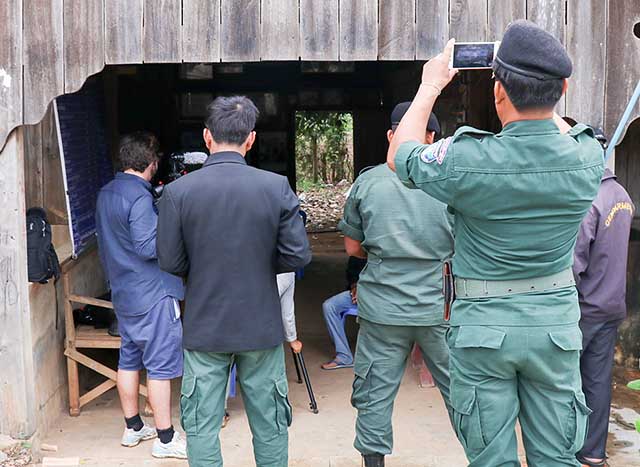
Reporting in a country with little press freedom is challenging. Here, military police followed VOA journalists and used their cell phones to record them working in 2018, in an effort to intimidate both the journalists and their sources in Battambang province in northwestern Cambodia.
Voices from VOA
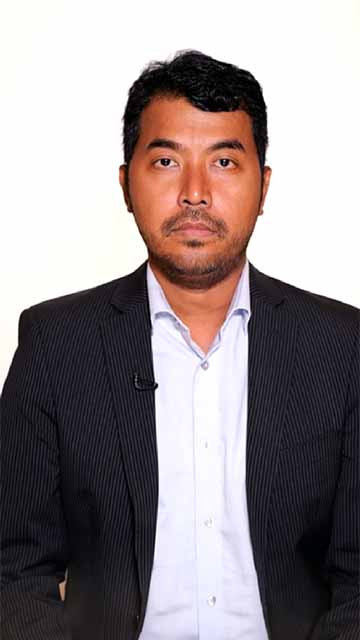
Sophat Soeung
VOA Khmer senior editor
Originally from Cambodia and raised in East Berlin, Soeung grew up listening to VOA. For the past 15 years, he has been a trusted voice at VOA Khmer, providing independent news to Cambodians who have limited access to information beyond state-controlled media.
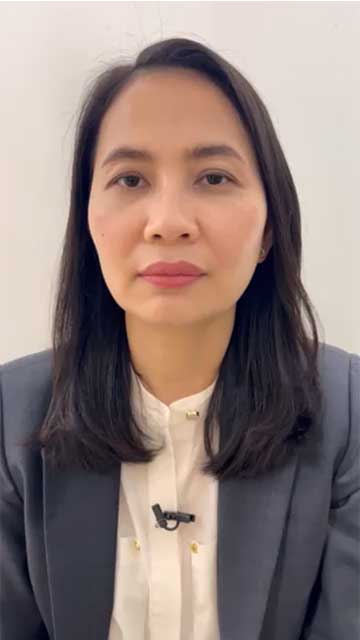
Chenda Hong
VOA Khmer reporter
“In 2007, Kari Lake reported from Cambodia, saying its story mattered. Today, as acting CEO of USAGM, she has helped silence VOA Khmer — one of the last independent news outlets in the country.”
Voices supporting VOA
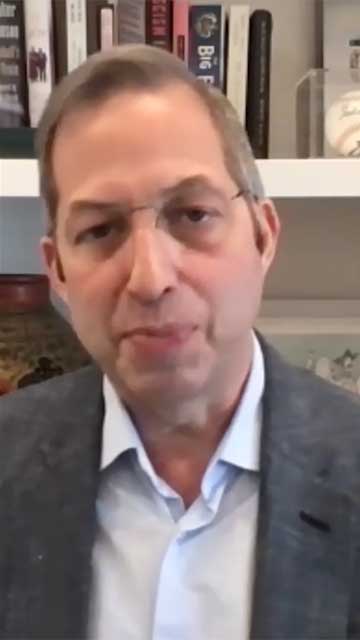
Derek Mitchell
Former U.S. ambassador to Myanmar
“The Chinese are filling the space that we are leaving … [if we] retreat from the battlefield others see that China is playing, it makes China look strong and America look weak. And I think it hurts us.”
Former dictator cheers VOA’s closing
“[Closing VOA would be] a major contribution to eliminating fake news, disinformation, lies, distortions, incitement, and chaos around the world.”
— Former Cambodian Prime Minister Hun Sen
The former leader significantly curtailed free speech during his long rule, and Cambodian media outlets continue to face restrictions under the current government led by his son.
Contact your representatives
If you are a U.S. citizen and believe there is value in Voice of America — particularly if you have a personal story about listening to or watching VOA — please reach out to your representatives in Congress to encourage them to allow VOA to continue its vital mission of delivering truth to the world. We've simplified the process by creating a page to help you find their contact information and by creating a sample script of what to say.
Find out more
Press freedom situation, according to Reporters Without Borders (RSF)
Source: 2025 RSF World Press Freedom Index
Missed opportunities
Major stories VOA was unable to cover because of the effort to shut it down.

At the time of the March 15, 2025, shutdown, VOA's Khmer Service employed 11 full-time employees, two contractors and a network of stringers.
Voices of support
“The departure of Voice of America also leaves a gaping vacuum in the information world that can only be filled by countries like China and Russia. And believe me, [Russian President] Vladimir Putin and [Chinese President] Xi Jinping aren’t going to give the world a clear picture of what’s going on in their countries, much less in the United States.”

David Shear
Former U.S. ambassador to Vietnam
“When you silence the Voice of America, the rest of the world is going to get propaganda. And believe me, the Russians and the Chinese will be very happy to fill that gap.”

Christine Todd Whitman
Former Republican governor of New Jersey
“Voice of America is a much cheaper way for the United States to influence and inform people around the world — cheaper than sending our military, even cheaper than setting up U.S. embassies around the world.”

David Kramer
Former U.S. assistant secretary of state