
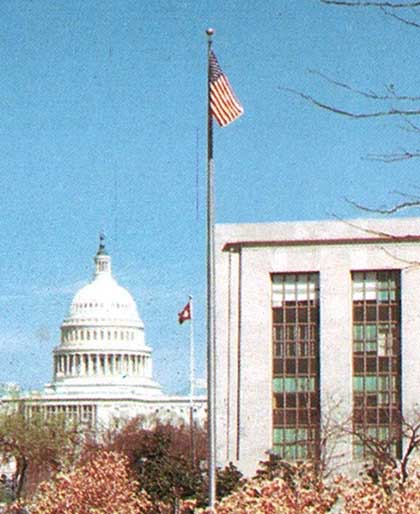
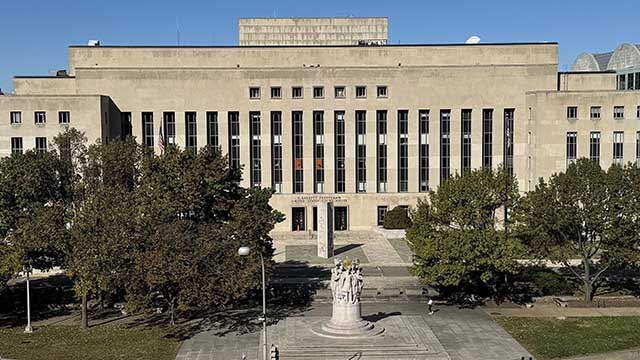
Explore the lawsuits fighting to save VOA
A look at the three court cases fighting to help restore VOA’s global operations and to ensure that it produces journalism, not propaganda.
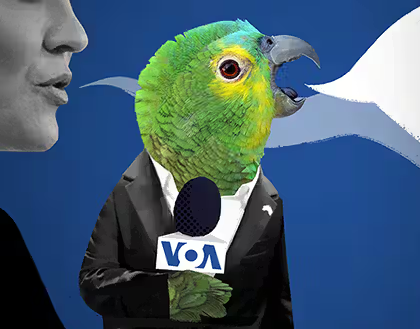
Administration seeks to turn VOA into a propaganda outlet
USAGM officials are attacking VOA’s statutory Firewall, which prohibits political interference in VOA’s journalism.
Global reach
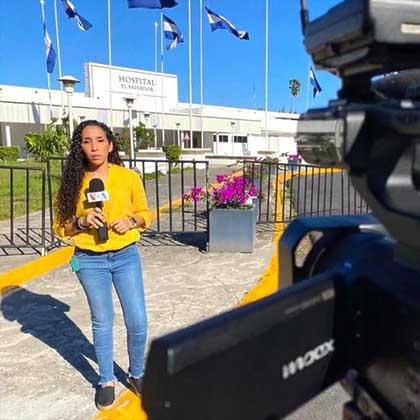
Prior to March 2025, VOA was reaching over 360 million people around the world each week in more than 100 countries. Explore a selection of the regions where the loss of VOA has been felt.
VOA’s English newsroom upheld editorial standards for the global news agency

Since March 2025, nearly all of the Central Newsroom’s journalists have been fired or placed on administrative leave, eliminating all coverage in English and crippling Voice of America’s ability to fulfill the VOA Charter. Read the story.



- Trump administration is paying $1.6 million a week to keep Voice of America staff on leave (The Washington Post - October 2, 2026)
- Trump’s nominee to oversee VOA suggests return of journalists on leave (The New York Times - July 30, 2026)
- How Donald Trump silenced the Voice of America (The New Yorker - July 30, 2026)
- Why US media should be independent from the State Department (The National Interest - July 29, 2026)
- New White House strategy would boost efforts to combat terrorist propaganda, a role VOA filled – until Trump kneecapped it (Small Wars Journal - May 29, 2026)
- America surrendered in the information war (The Washington Post - May 26, 2026)

“To be persuasive, we must be believable; to be believable, we must be credible; to be credible, we must be truthful.”

Edward R. Murrow Director of the U.S. Information Agency (1961-1964)