 Serbia
Once a pillar of media freedom in Serbia, VOA now cedes ground to Russia, China

VOA Serbian reporter Milena Durdic interviews Montenegrin Justice Minister Andrej Milovic during his official visit to Washington in 2024.
Published
Serbia is one of the most strategically important countries in Southeast Europe — a region where the United States, Russia and China compete directly for influence. Moscow and Beijing are working aggressively to pull Serbia away from its path toward the European Union and to weaken Serbia’s ties with the West. In this environment, America’s ability to communicate clearly and credibly with Serbian-speaking audiences is essential.
For more than eight decades, the Voice of America has been that voice. Since 1943, VOA’s Serbian Service has broadcast uninterrupted through war, dictatorship, democratic transitions and shifting alliances. It has been one of America’s most trusted tools for explaining U.S. policy, countering hostile foreign narratives and promoting democratic values across Serbia and the broader Western Balkans.
Before President Donald Trump issued his March 14, 2025, executive order that effectively began dismantling VOA, the Serbian Service reached more than 20% of Serbia’s adult population each week — and millions more in Montenegro, Bosnia and Herzegovina, Kosovo, Croatia and North Macedonia. Serbian is the dominant language of the region and is often the language used by Russian and Chinese propagandists to spread disinformation and anti-American sentiment. Having a credible American voice in the Serbian language has been indispensable for countering those efforts.
VOA’s Serbian Service has played an important role in moments when U.S. interests depended on stability and reconciliation in the Balkans. Its reporting fostered dialogue across ethnic and political lines, promoting peace between Bosnia and Kosovo, and helped explain U.S. and NATO policies during key periods of regional transition. It also provided accurate and well-sourced coverage of U.S. support for Montenegro’s NATO membership during the first Trump administration.
The service has long been one of the most cited media sources in the Balkans on U.S. perspectives. VOA’s coverage of Washington — Congress, the White House, the State Department and the Pentagon — gave Serbian-speaking audiences reliable insight into America’s debates, decisions and democratic institutions. Its reporting was routinely rebroadcast by independent outlets across the region, many of whom rely on VOA as a counterweight to state-controlled or foreign-influenced media.
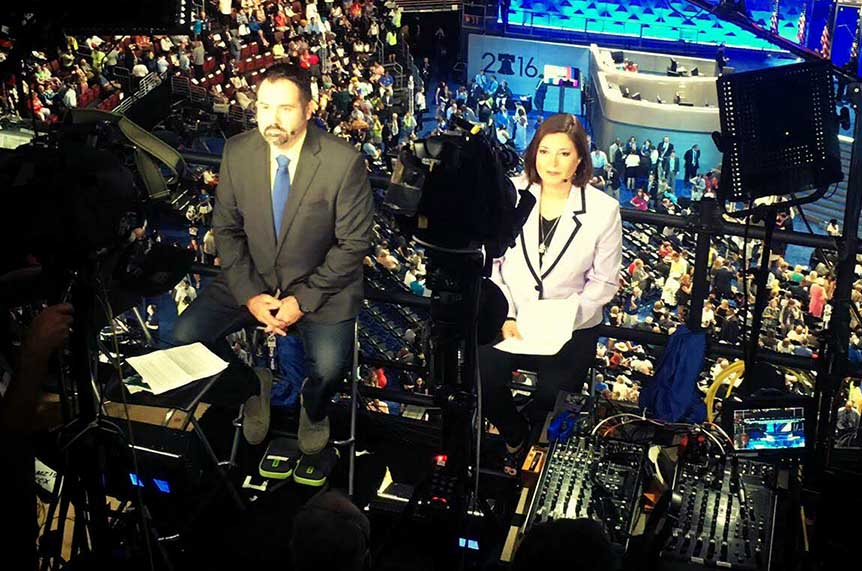 VOA Serbian journalist Braca Djordjevic (left) reports live from the 2016 Democratic National Convention in Philadelphia. The Serbian Service is responsible for bringing news about the United States and its policies to its Serbian speaking audience.
Exclusive interviews regularly shaped public debate, including conversations with senior government officials in Serbia and Montenegro. Investigative reporting on Russian and Chinese influence operations was widely circulated and used by other VOA language services, expanding regional understanding of threats to democracy. And human-interest stories, such as a widely viewed feature on a Balkan food truck operating in Washington that drew more than 3.5 million views, helped audiences see the American experience through relatable, real-world stories.
With the service now silent, Serbia’s media landscape — much of which is directly or indirectly controlled by the government — has lost one of the few remaining independent sources of credible international news. This vacuum creates opportunities for Russian outlets such as Sputnik and RT, as well Chinese state media, to further increase their influence in a country that is critical to regional stability and U.S. strategic interests.
Reestablishing VOA’s Serbian Service would not be a symbolic gesture. It would be a practical, cost-effective investment in U.S. national security. Restoring this service would mean restoring America’s voice in a region where that voice matters — and where losing it has left the field open to adversaries who are working hard to shape the narrative in ways that undermine stability and U.S. interests.
VOA Serbian articles published online per week
Publishing on the VOA Serbian website ceased following the president’s March 2025 executive order.
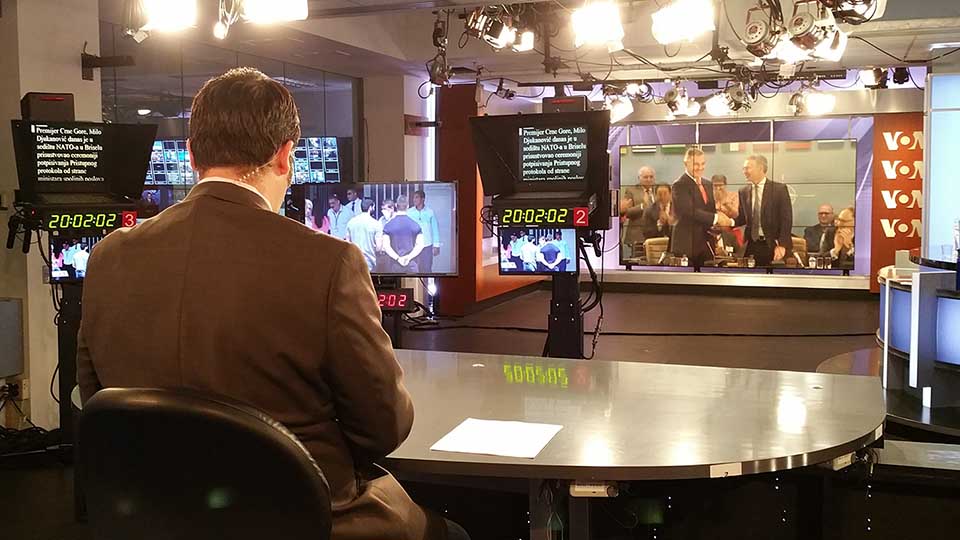
VOA’s Serbian Service partnered with independent media organizations across Serbia, enabling those outlets to regularly carry VOA programming.
VOA Serbian
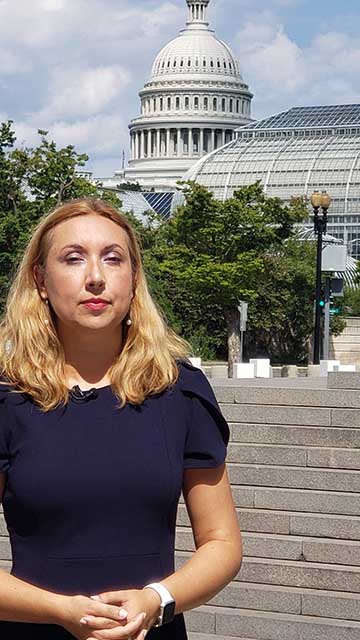
VOA Serbian was a trusted bridge between America and the Balkans
For over 80 years, VOA Serbian was a trusted bridge between America and the Balkans — amplifying independent voices, exposing corruption and countering disinformation. In March 2025, that bridge was cut. The administration froze VOA operations, silencing a voice millions relied on.
Voices from VOA
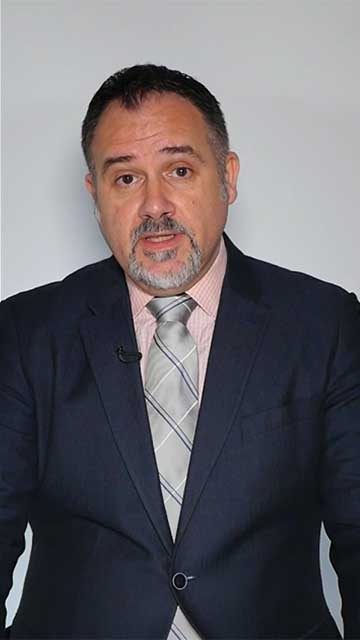
Braca Djordjevic
Managing editor, VOA Serbian
“Deep down, we hope that the countries where we were born will stop needing VOA. ... Unfortunately Serbia has not gotten better. Without VOA, the influence of Russia and China will grow.”
Voices supporting VOA
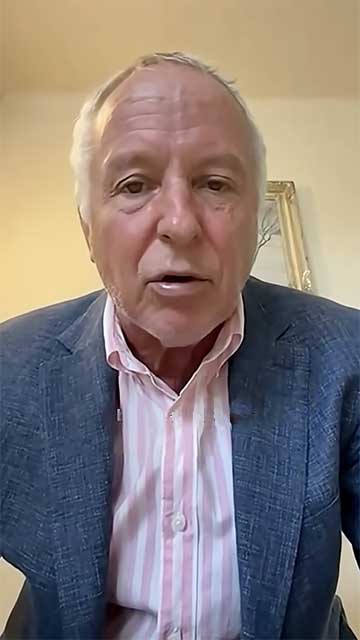
Cameron Munter
Former U.S. ambassador to Pakistan and Serbia
“If you believe, as I do, that America is different than other countries — that is, that we stand not only for American interests, but for American and universal values — VOA is the only way in which many people in the world … can learn in an objective way how America is different, how America serves not only the interests of a country, but of certain values.”
Contact your representatives
If you are a U.S. citizen and believe there is value in Voice of America — particularly if you have a personal story about listening to or watching VOA — please reach out to your representatives in Congress to encourage them to allow VOA to continue its vital mission of delivering truth to the world. We've simplified the process by creating a page to help you find their contact information and by creating a sample script of what to say.
Find out more
Press freedom situation, according to Reporters Without Borders (RSF)
Source: 2025 RSF World Press Freedom Index
Missed opportunities
Major stories VOA was unable to cover because of the effort to shut it down.

At the time of the March 15, 2025, shutdown, VOA's Serbian Service employed six full-time employees and three contractors.
Timeline of VOA’s Serbian Service
March 26, 1943
VOA starts broadcasting in Serbian
VOA begins its radio broadcasts to occupied Yugoslavia during World War II. Then known as the Yugoslav Service, it broadcasts news in the Serbo-Croatian language. VOA is one of the first outlets in Yugoslavia to report on the end of the war in Europe.
1990s
War erupts in the Balkans
During the war, which lasts for the majority of the decade, VOA’s programming in Serbian becomes especially critical as it is one of only a small number of independent media organizations that are able to operate under the rule of President Slobodan Milosevic. VOA increases its broadcasts in Serbian and Croatian and adds programming in Bosnian.
December 11, 1996
VOA Serbian begins live TV broadcasts five times a week
“Otvoreni Studio” (Open Studio) becomes the first regular VOA live TV show, and at its peak reaches millions through a network of over 60 affiliate stations across the region. On the 10th anniversary of the Open Studio newscast, in December 2006, then-Senator Joseph Biden praises VOA’s broadcasts, saying “events in Serbia during the last decade provide compelling evidence of how courageous journalism can serve as a catalyst for democratic change.”
2000s
The fall of Milosevic
VOA Serbian covers the fall of Milosevic and all the events that follow including his high-profile prosecution in the Hague. It also covers the peaceful separation of the last two members of the former Yugoslavia, Montenegro and Kosovo. The service defends truth and a free press, stands up for human rights and sparks a dialogue about Euro-Atlantic integration.
March 15, 2025
After 82 years of service, VOA Serbian programming goes dark
USAGM, led by Trump appointee Kari Lake, ceases all VOA programming, forbids journalists from reporting the news, and places more than 1,300 workers on administrative leave.
Voices of support
“Having a credible platform like VOA remains essential for amplifying messages from the U.S., not just within our country, but globally.”

Marko Somborac
Serbian comics artist and cartoonist
“At one point, when the Balkans were hot, I was on VOA, maybe, I think it was pretty close to once a week. It was really an important outlet. … I’ve been told many times how much those interviews influenced how people were thinking about the situation.”

Daniel Serwer
Former U.S. special envoy for the Bosnian Federation, senior fellow at Johns Hopkins SAIS
“Silencing VOA cedes the information wars to foreign adversaries and government propaganda. … In Serbia, a beleaguered population will only hear how Serbs were victims in the Balkan Wars.”

Jennifer Brush
Retired U.S. diplomat and former OSCE official
“[VOA] has credibility in those circles in Russia, in the former Soviet Union, that you don’t buy overnight. It built it up over the years. Nobody else has the same credibility. I mean BBC, Deutsche Welle, these other services just don’t carry that je ne sais quoi, that certain credibility that VOA carried.”

Michael David Kirby
Former U.S. ambassador to Moldova and Serbia