
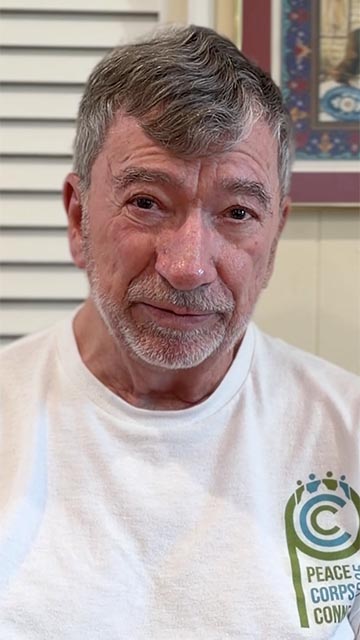
TRANSCRIPT:
Americans should know that VOA, through its pursuit of objective journalism, is a prime example for foreign audiences of one of the liberties we hold dearest — you know, freedom of the press. And many foreigners realize this when they compare what they hear on VOA with what they hear and see in their own state media.
I was in Iran during [former U.S. President Richard] Nixon’s impeachment. And my Iranian friends, they didn’t know a lot about American politics, but they knew that our American president, you know, faced impeachment and removal from office. And they said, “Well, we heard on VOA, you know, a report on the latest hearings … and all this.” And he said, “But VOA is run by the U.S. government.” And I said, “Well, yeah, but it’s an independent agency of the U.S. government.” He said, “But they’re reporting negative information about your president, you know. How is this possible?”
So I had to explain about, you know, freedom of the press to them, and that, you know, we would expect them to report this objectively, you know, abroad. And I think some of my friends got it. But they would say, “We would never hear anything about this with the shah of Iran, you know, something so negative being reported on state TV.”
If VOA loses its reputation for pretty objective reporting of the news, both what’s happening in the United States, what’s happening around the world, and especially what’s happening in countries that don’t have a free media, people are going to stop listening. And this prime example of one very dear American value will be gone [from] the world. By example, this means a lot to some of these peoples who don’t have freedom of the press, like we do largely in the United States.
Published
Hanson is a retired U.S. diplomat whose Foreign Service career included serving in Australia, Pakistan, Yemen, Tajikistan, Uzbekistan, Afghanistan and at the U.S. Mission to the U.N. He served as charge d’affairs in Sanaa during the 9/11 attacks on the United States and as the first regularly assigned deputy chief of mission in Kabul after 9/11. In retirement, he advocates for diplomacy in resolving problems between the U.S. and Iran and continued engagement with Afghans.