
Voices supporting VOA
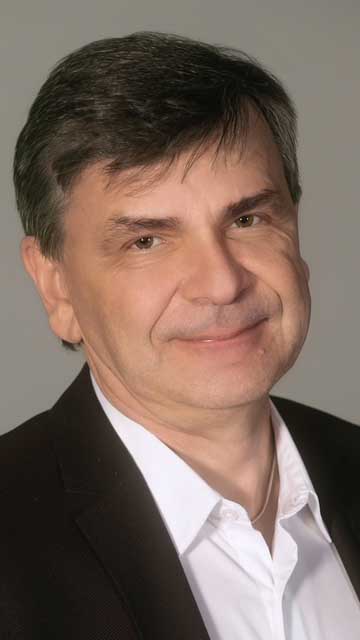
Eric Shiraev
Researcher at George Mason University, co-founder of CARP research lab
TRANSCRIPT:
As a child in the Soviet Union and during the Brezhnev era, I often sat hunched beside an old radio in my family’s crowded communal apartments, straining to hear the familiar voices from VOA Russian Service. The signal came to us muffled and crackling, jammed relentlessly by the Soviet censors, but we tuned in for the voice of truth. It was a breath of fresh air from from outside, a firm, steady reminder that a different and free world existed.
In today’s Putin Russia, independent media and dissent have been under assault for over two decades. Moreover, since the invasion of Ukraine about 2022, political speech has been criminalized, journalists labeled as foreign agents and imprisoned. In this new landscape, the Voice of America is more essential than ever, and yet, even as demands for truthful journalism grow globally, VOA has been under threat at home.
Some, few, still claim that VOA is outdated, but the threats it was built to counter — disinformation, authoritarianism and state propaganda — are more sophisticated. To retreat today is to hand the microphone to Russia, China and the like.
I still believe in power of that voice, the Voice of America. We cannot afford to let it fall silent. And I ask everyone involved to save Voice of America.
Published
Shiraev is a researcher and lecturer at George Mason University whose work focuses on political psychology, Russian politics and identity. He has authored or edited numerous books on politics and public opinion and he co-founded the Character Assassination and Reputation Politics (CARP) research lab studying character assassination.