TRANSCRIPT:
The United States will not be able to provide the kind of information to other parts of the world that would help those people living out there know what they cannot know if they don’t receive that information. That is that they would be locked into their own cycles of often government-controlled information. That’s one way that the United States can help.
The other is that people won’t know anything about the United States. And that, as we know, has often been an issue. If you think about, I remember very well what happened on 9/11, many of my students were saying, “What do those people have against us? What have we done to them that they came and bombed us?”
Well, often if you don’t tell people about the country you live in, the kind of life that is lived in the United States, then people will accept other versions of it, will see the United States as the great Satan, will see the United States as something that has to be destroyed. And so, one way that you can influence people’s opinions about your own country is to reach out and tell them about it. And if you don’t do that, they are obviously susceptible to whatever else they are being told by their own regimes, ideologies, religion, whatever it is that they are exposed to.
Published
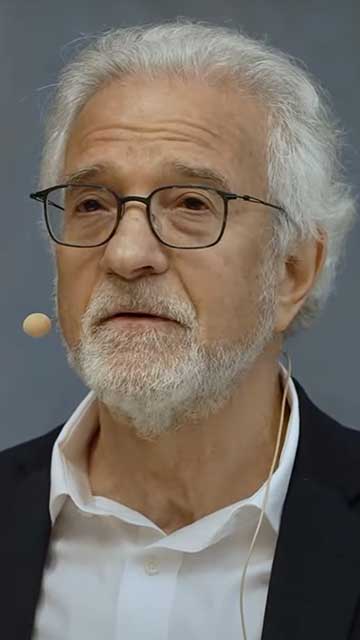
Bartov's research at Brown University focuses on genocide, the Holocaust and political violence. He is the author of numerous books on Nazi Germany and Israel.