TRANSCRIPT:
It’s an important element of the U.S. reputation abroad, which is an important, in turn, an important element of U.S. foreign policy and U.S. goals across the world. And so I think that it’s certainly in my work as a diplomat, having VOA as an ally in many ways, or at least giving some context, meant that when I interacted with foreign audiences, they already had a better understanding of what the U.S. was trying to accomplish and why.
I think for many Americans, of course, the VOA was always set up in such a way that it was not visible in the United States. That was part of its founding premise. And so it was relatively invisible to Americans, but that doesn’t mean it was unimportant. I think it was very important to American prosperity and to, frankly, to U.S. national or international influence around the world to allow U.S. national interests to be advanced. And so I think any American should appreciate that VOA plays an important role in what the U.S. can accomplish around the world.
VOA stood as an example of a free organization, of a free outlet. And it really sort of set a standard in many cases. And I know countries where I’d served overseas and have visited, you know, it was along with some other international, it wasn’t alone, but along with some other internationals, it was a standard of what press freedom looked like. It set a goal. And so I think that without it on the scene, that sort of clear standard as to what press freedom really represents is not as evident, won’t be as evident, and will allow further abridgement, further suppression in many cases of freedom of speech.
Published
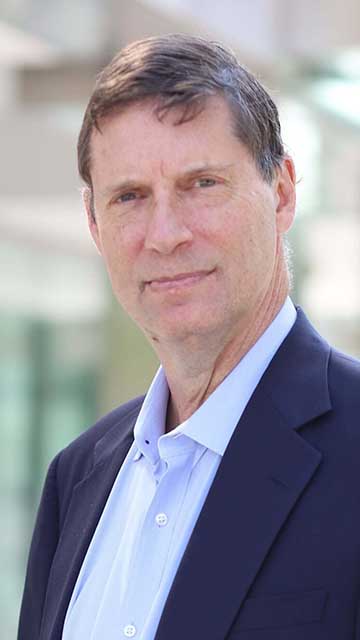
Hyde served for nearly 30 years as a U.S. Foreign Service officer, working on multilateral diplomacy, peace operations and European affairs. He later became a senior fellow at the Stimson Center.