
TRANSCRIPT:
The first obvious danger to me is we vacate a field; nature abhors vacuums and space will be filled. So if you want to put it in shorthand, the struggle and fight for hearts and minds around the world, the Chinese and the Russians and the Iranians are all active and participating in this space. So the first obvious result would be as we step back, others will step forward. We’re vacating space and giving up an important opportunity.
There are a number of threads to pull on here. I think that we broadly advance American foreign policy objectives and national security aims. I’ve said that. I also think that journalism we produce with integrity, honesty, striving for truth is of support to freedom-loving people everywhere, to broadly to civil society, to decent accountable government, to rule of law. It’s one of many ways to support accountable government, human rights, civil society, rule of law, but it’s an important way.
And I think if we step back, I think it’s harder for people in those countries to find this kind of nourishment they need. I think it’s nourishment. I think it’s a kind of oxygen.
When you travel around the world and you hear the skeptics and critics of America and American foreign policy, and there are many, those who respect us, those who admire us, those who model off of us crave engagement, crave this kind of work, and are yearning for connection with U.S.-funded media.
So I don’t have right now, I’m not going to take your time, to list all the conversations I’ve had from Belgrade to Baghdad, from Tashkent to you name it. But all you have to do is get on a plane and land and you’ll hear great stories of how important this work is.
Published
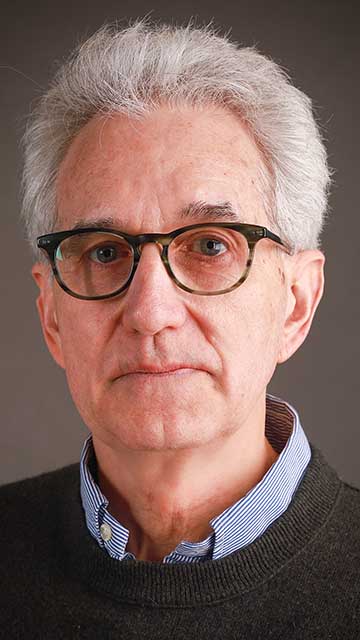
Gedmin is president and CEO of the Middle East Broadcasting Networks. He previously led Radio Free Europe/Radio Liberty and was a member of the International Broadcasting Advisory Board. Gedmin is widely published on European security issues.